
The Influence of Layout on Player Behavior
The layout of a casino is meticulously crafted to encourage certain behaviors among patrons. Wide pathways lead guests through the gambling floor, creating a sense of discovery and inviting exploration. This design tactic capitalizes on the psychological phenomenon known as “the path of least resistance.” By ensuring that guests can easily navigate the space, casinos increase the likelihood of prolonged visits and impulsive decisions, particularly when it comes to options like rocket casino withdrawal and the availability of various games. The strategic placement of games can either draw individuals in or funnel them toward specific sections, subtly influencing where they spend their time and money.
Moreover, the layout often features open spaces that create a sense of freedom, yet strategically placed walls or barriers can foster a feeling of intimacy and security. This dichotomy plays into a patron’s comfort level, thus encouraging them to stay longer. The physical environment can trigger emotional responses; for instance, a well-designed high-stakes area can evoke feelings of exclusivity and prestige, appealing to guests’ desires to belong to an elite group. This delicate balance not only helps maximize time spent in the establishment but also enhances the overall gambling experience.
Additionally, the use of signage and visual cues impacts players’ choices and thoughts. Bright, eye-catching signs that advertise jackpots or promotions can create a sense of urgency. Patrons are compelled to participate, driven by the potential for rewards. This innate human tendency is exploited by casinos through their layout, keeping players engaged as they navigate through different sections, each designed to stimulate interest and excitement. Thus, the layout is more than mere functionality; it is a carefully constructed psychological tactic that significantly shapes player behavior.
The Role of Lighting and Color Psychology
The lighting and color schemes within a casino play a pivotal role in setting the emotional tone of the environment. Warm colors, such as reds and golds, evoke feelings of excitement and energy, encouraging high-stakes betting and impulsive behavior. Cool colors, on the other hand, such as blues and greens, create a calming effect that can lead to a relaxed atmosphere conducive to longer visits. This intentional use of color is rooted in psychological principles, where specific hues can trigger particular emotional responses, thereby influencing players’ mood and decision-making processes.
Lighting also serves practical and emotional purposes. Soft, ambient lighting can enhance the allure of the gaming areas, making them more inviting. Conversely, spotlights on games can draw attention, encouraging participation. Moreover, the absence of natural light is a common tactic in casino design; it creates a timeless environment that can disorient guests, leading them to lose track of time. This deliberate manipulation of light and color creates an immersive experience that not only heightens players’ senses but also contributes to the overall atmosphere of exhilaration and engagement.
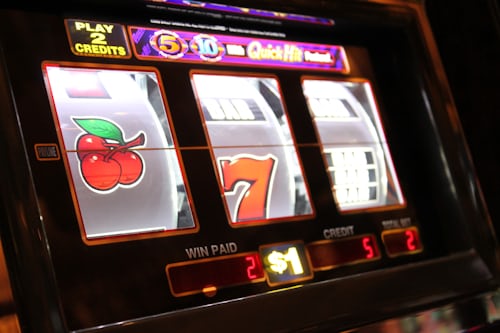
The psychological impact of sound, often overlooked in discussions of design, layers onto the effects of lighting and color. The interplay between these elements creates a multisensory experience that keeps players engaged. For instance, the chiming of slot machines or the upbeat tempo of background music can elicit feelings of joy and anticipation. Together, lighting, color, and sound combine to create a captivating environment, ensuring that players remain enthralled, oftentimes longer than they initially intended.
Gamification and the Psychology of Rewards
Gamification is a fundamental aspect of casino design, employing mechanisms that trigger the brain’s reward system. By integrating elements such as bonuses, jackpots, and loyalty programs, casinos effectively create an engaging experience that encourages repeat visits. The concept of intermittent rewards, where players win at unpredictable intervals, enhances excitement and encourages continued play. This unpredictability can lead to a feeling of almost addictive behavior, as players chase the experience of winning, which serves to reinforce their commitment to the game.
The psychological principle of loss aversion also plays a significant role in how players interact with games. Individuals are more motivated to avoid losses than to achieve equivalent gains. Casinos take advantage of this by designing games that create the illusion of near misses. For example, when a player is one symbol short of a jackpot, they experience heightened emotions, stemming from the feeling that they were close to winning. This emotional charge can lead to further play, as players want to mitigate their previous ‘loss’ by trying again.
Social interaction also enhances the gamified experience in casinos. Many game designs incorporate a social element, whether through multiplayer tables or communal areas where players can enjoy a collective experience. This sense of community can increase enjoyment, leading to longer playtimes. The interplay of competition and camaraderie fulfills psychological needs for social connection and validation, enhancing the overall gaming experience, while simultaneously ensuring that players remain engaged in the casino environment.
The Use of Themed Environments
Themed environments have become increasingly popular in the casino industry, transforming gambling spaces into immersive experiences. These themes can range from classical motifs, such as ancient Egypt or the Wild West, to modern settings that evoke luxury and sophistication. This transition from a traditional gaming floor to a themed experience taps into players’ imaginations and fantasies, further enhancing their emotional engagement as they feel transported into another world. Such experiential design can significantly influence the decisions players make and the duration of their stay.
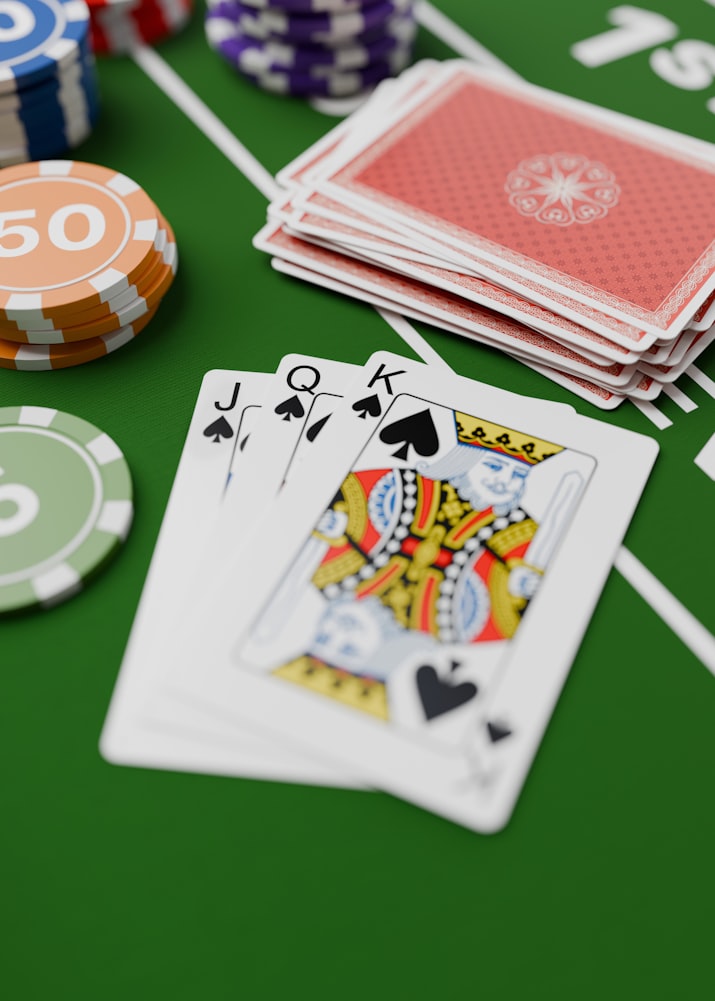
Moreover, themed environments can also serve to segment the casino space, appealing to different demographics and preferences. For example, a family-friendly area might feature a circus theme, while a high-stakes room could embrace an opulent casino club vibe. These distinct atmospheres cater to various player profiles, encouraging them to explore different sections of the casino in search of their unique experience. This segmentation allows casinos to maximize their customer base and ensure an appealing environment for everyone.
The psychological impact of storytelling within these themed designs cannot be understated. A well-crafted narrative can draw players deeper into the immersive experience, creating a memorable connection with the casino. This connection is often manifested through decor, staff interaction, and even the games themselves, all of which contribute to a cohesive theme. By engaging players on a narrative level, casinos are able to create loyalty and enhance the likelihood of repeat visits, ultimately influencing the economics of the business.
The Website Experience
The design of a casino’s website often reflects the same psychological principles applied in physical spaces. Just as with layout, color, and lighting in a brick-and-mortar establishment, online platforms use visual elements to create an engaging digital experience. Clear navigation and visually appealing interfaces are essential for retaining visitors, inviting them to explore the variety of games and opportunities available. Additionally, the emotional tone set through the website’s design can emulate the excitement and allure of a physical casino, enticing players to engage further.
Furthermore, online casinos utilize gamification strategies similar to those in physical locations. Features such as loyalty rewards, bonuses, and competitions are prevalent, catering to players’ psychological inclinations to pursue rewards. This virtual manipulation of user experience fosters a sense of community and competition, encouraging players to participate actively and share their experiences with others, thereby enhancing loyalty to the site.
Ultimately, while the fundamental objective of any casino—be it online or physical—remains the same, the psychological nuances present in the design significantly impact player behavior. A seamless, engaging, and strategically crafted digital experience can draw in users and keep them coming back, reinforcing the powerful connection between thoughtful design and player loyalty. Through this understanding, casinos can better optimize their web presence to enhance user retention and satisfaction, ultimately driving their success in a competitive marketplace.